

Which Nikon lens will make your subject pop from the frame and give you that buttery, film-like bokeh clients swoon over?
If you’re tired of wading through specs sheets and forum arguments, this guide distills the choices into practical, honest recommendations.
This article compares five top Nikon portrait lenses.
We cover the Nikon 85mm f/1.4G (F‑Mount), Nikon Z 85mm f/1.8 S (Mirrorless), Nikon Z 135mm f/1.8 S Plena (Mirrorless), Nikon 58mm f/1.4G (F‑Mount DSLR), and Nikon AF‑S 85mm f/1.8G (F‑Mount DSLR).
No deep technical tables here—just real-world observations about how each lens renders skin, separates subjects from backgrounds, and handles in the field.
Expect a mix of classic DSLR glass and modern Z‑mount options so you can compare older favorites with the latest mirrorless designs.
Whether you value ultra-creamy bokeh, headshot compression, lightweight handling, or the best value for your budget, there’s a clear pick in this lineup.
I’ve focused on how these lenses perform across portrait styles from studio headshots to environmental and wedding work.
Read on and you’ll find which lens suits your camera, shooting style, and workflow without getting lost in jargon.
By the end you’ll know which lens to consider first when you’re serious about taking better portraits.
1. Nikon 85mm f/1.4G F-Mount Lens

Nikon AF-S FX NIKKOR 85mm f/1.4G Lens
Iconic portrait lens delivering creamy bokeh, exceptional sharpness, and superior low-light performance for stunning subject separation.
Check PriceAsk any seasoned portrait shooter about the Nikon 85mm f/1.4G and you’ll hear it called the “cream machine” — a lens famous for its exquisite, creamy bokeh and subject separation. That reputation alone makes it a go-to for photographers who want flattering rendering and that classic portrait look.
Optically it’s impressive: extremely sharp even wide open at f/1.4, with excellent contrast and beautiful skin tones that flatter subjects straight out of camera. The combination of sharpness and contrast means you keep detail where you want it while still enjoying a painterly background blur.
Bokeh is the real star here. The lens produces exceptionally smooth, creamy bokeh that enhances subject isolation and gives portraits a three-dimensional feel. It’s equally capable for tight headshots and slightly wider portraits, so you get flexibility in framing without swapping optics.
Autofocus is fast, accurate, and reliable — important when working with changing expressions or moving subjects during a session. The build is solid and feels robust on the camera, yet manageable for long portrait sessions, which matters when you’re on shoots that last hours.
Nothing is perfect: the lens is slightly heavier and larger than some other 85mm options, so handheld fatigue can be a consideration on long days. Also, there’s no VR (vibration reduction), so you’ll want steady hands or higher shutter speeds in lower light situations.
If you’re a professional shooting portraits, fashion, or weddings and you prioritize optical quality and that creamy bokeh, this lens is mostly a clear winner. It’s designed for photographers who put image character and rendering at the top of their list.
- Exceptionally smooth, creamy bokeh
- Super sharp wide open; maintains detail and contrast
- Fast and accurate autofocus
- Suitable for tight headshots and wider portraits
- Slightly heavier and larger
- No VR; needs steady hands or higher shutter speeds
2. Nikon Z 85mm f/1.8 S Mirrorless Lens

Nikon NIKKOR Z 85mm f/1.8 S Lens
Lightweight, professional-grade prime offering precise autofocus, gorgeous bokeh, and crisp edge-to-edge detail for effortless portraiture.
Check PriceThe Nikon Z 85mm f/1.8 S is a go-to portrait lens for Nikon Z-series shooters who want pro-level results without hauling around something bulky. It delivers very sharp, detailed images with high contrast and natural-looking bokeh that flatters skin tones and separates subjects cleanly from backgrounds.
Handling is a highlight: the lens is well-built, fully weather-sealed, and feels nicely balanced on Z bodies, with an ergonomic control ring that makes subtle exposure or aperture adjustments intuitive during a session. Autofocus is fast and quiet, which keeps subjects relaxed and allows for seamless capture of fleeting expressions.
At f/1.8 you get excellent subject isolation while maintaining a compact, lightweight package that’s ideal for on-location and outdoor shoots. Do note the minimum focusing distance is about 0.8m, so if you’re after very tight headshots or extreme close-ups you’ll need to step back or consider a different working distance.
In short, this lens blends optical quality, portability, and reliable weather resistance—making it a practical choice for wedding photographers, portrait shooters, and anyone who wants a high-quality prime that travels well. If you value sharpness, smooth bokeh, and a lens that handles real-world conditions without fuss, this is a strong pick.
- Lightweight and well-balanced for location work
- Excellent sharpness with smooth, natural bokeh
- Weather-sealed build with consistent color and contrast
- Fast, quiet autofocus ideal for portraits
- f/1.8 offers slightly less shallow depth of field than faster apertures
- Minimum focusing distance (~0.8m) limits very tight headshots
3. Nikon Z 135mm f/1.8 S Plena

Nikon NIKKOR Z 135mm f/1.8 S Lens
Ultra-telephoto masterpiece with breathtaking sharpness, dreamy background compression, and fast aperture for striking portraits and low-light clarity.
Check PriceThe Nikon Z 135mm f/1.8 S Plena is a spectacular longer-reach portrait lens that lives up to its premium billing. It delivers stunning sharpness, very fast autofocus, and exquisitely smooth bokeh that really separates your subject from the background.
Optically the Plena is superb: outstanding resolution and contrast and buttery background rendering from its 11‑blade aperture. You get tack‑sharp results even wide open at f/1.8, which means clean eyelash detail and beautiful skin textures without having to stop down much.
Mechanically it’s built like a tank — large and heavy, but with excellent handling that feels purposeful in the studio. That solidity translates into confidence when you’re shooting tethered or on a tripod, though it can be tiring for extended handheld sessions.
Autofocus is very fast and accurate, with excellent tracking that keeps pace with moving subjects and subtle head tilts. The 135mm focal length gives a flattering compressed perspective ideal for tight headshots and artistic portraits, letting you work at a comfortable distance from your subject.
There are practical tradeoffs to consider: the minimum focusing distance is about ~0.85m, which limits how close you can frame very tight shots. Also, the size and weight mean this is geared strongly toward professionals or dedicated portrait shooters who prioritize image quality over portability.
- Buttery bokeh from 11‑blade aperture
- Tack‑sharp even at f/1.8
- Very fast, accurate AF with excellent tracking
- Flattering compression from longer focal length
- Large and heavy — tiring handheld
- Minimum focusing distance (~0.85m) limits very close framing
4. Nikon 58mm f/1.4G F-Mount DSLR
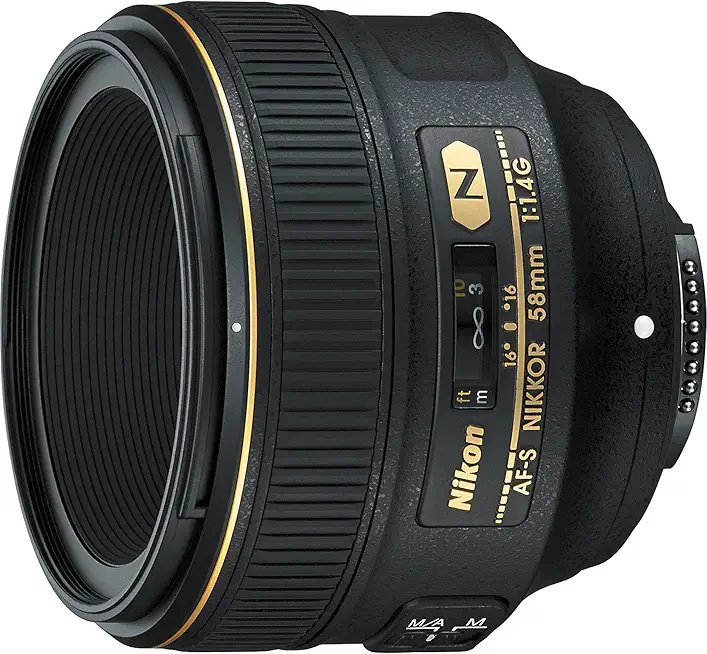
Nikon AF-S FX NIKKOR 58mm f/1.4G Lens
Fast standard prime delivering velvety bokeh, natural perspective, outstanding low-light performance, and beautiful skin tones for everyday shooting.
Check PriceThe Nikon 58mm f/1.4G is a classic portrait lens with a “drawing style” and warm color rendering that many portrait artists seek. It prioritizes character over clinical sharpness, giving images a painterly, film-like quality that flatters skin tones. If you want portraits with mood and personality, this lens delivers that distinctive look.
Image quality leans toward pleasing skin rendition and smooth, creamy bokeh rather than razor‑sharp resolution at f/1.4. That softer rendering helps isolate subjects and creates that sought‑after portrait separation and tonality. The bokeh is often described as painterly, which is exactly why many creatives reach for it.
Physically, the lens is a moderate size with solid construction aimed at DSLR shooters. It feels durable in the hand and handles like a proper professional prime during long sessions. There’s no native Z‑mount version, but it adapts to mirrorless bodies with an FTZ adapter if you want to use it on modern Nikon Z cameras.
Be aware of the trade-offs: it’s not as tack‑sharp wide open as more modern primes, and it can show chromatic aberration under certain lighting. It also leans a bit heavier than newer designs, so you’ll notice it during long handheld shoots. Those are fair compromises if you value the lens’ signature rendering.
In short, pick this lens if you’re after a signature, artistic portrait look and warm skin tones, especially if you shoot on a DSLR or don’t mind using an FTZ adapter on mirrorless. It’s for photographers who prefer character and bokeh over absolute clinical sharpness.
- Distinctive, warm rendering
- Smooth, creamy, painterly bokeh
- Well-built and durable
- Works on mirrorless with FTZ adapter
- Not as tack‑sharp wide open as modern primes
- Heavier and can show chromatic aberration
5. Nikon AF-S 85mm f/1.8G F-Mount DSLR

Nikon AF-S NIKKOR 85mm f/1.8G Lens
Affordable short-telephoto designed for sharp portraits, smooth bokeh, reliable autofocus, and excellent value for hobbyists and pros alike.
Check PriceThe Nikon AF-S 85mm f/1.8G is a classic, budget-friendly portrait prime for F‑mount DSLRs that punches above its price. As a working portrait photographer, I appreciate how it delivers good sharpness and smooth bokeh without demanding a big investment or lugging around heavy glass.
Image quality is very usable for headshots and waist-up portraits — sharp in the frame with minimal distortion, and a pleasing out-of-focus rendering that helps subjects pop. You will notice some corner softness wide open at f/1.8, but for most portrait work the centre sharpness and subject separation are what matter most.
Handling is a strong suit: the lens is lightweight, compact, and easy to carry during long shoots or events. Its fast, quiet autofocus consistently nails focus in typical portrait scenarios, which keeps sessions moving and subjects relaxed.
Build quality feels sensible rather than extravagant — portable and practical, with a rubber mount seal that adds some weather resistance for on-location work. That combination of size, AF performance, and optical competence makes it a reliable tool for enthusiasts and semi-pros.
If you want a simple, affordable prime that produces flattering results with minimal fuss, this lens is a solid choice. If you prioritize the absolute creamiest bokeh or edge-to-edge razor sharpness at f/1.8, be aware of the trade-offs like the 7‑blade aperture and corner softness wide open.
- Strong sharpness for the price and weight
- Compact and easy to carry for events and travel
- Quiet, fast autofocus for portrait work
- Rubber mount seal adds weather resistance
- 7-blade aperture gives slightly less attractive bokeh
- Some corner sharpness fall-off wide open
How Focal Length Affects Portraits

Focal length does more than decide what fits in the frame. It shapes perspective, facial rendering, depth of field, and how the background behaves in a portrait.
At wide angles like 24mm or 35mm you have to get close to fill the frame. Up close that angle exaggerates noses and chins and can feel unflattering. As the saying goes, “It’s only as we start to get towards 50mm and then upwards to 85mm and beyond that we start to see the perspective and facial features as we would expect in a portrait.”
Longer focal lengths—think 85–135mm—compress the scene and make faces look more natural. That compression also helps isolate the subject from the background. The result is smoother background transitions and that classic creamy bokeh people love in portraits.
Shorter focal lengths give you more of the room and are great for environmental portraits and full-body shots. A 35mm or 50mm lets you tell a story with the surroundings while keeping the subject anchored in context.
In practice I reach for 85–135mm for head-and-shoulders work because those distances flatter features and help the sitter relax. If you’re in a tight space, 50mm or 35mm is often the smarter choice. Just be mindful of distortion and keep your subject engaged so expressions stay natural.
Remember that perspective is determined by your distance to the subject, not the lens itself; moving changes the look more than the focal length does. If you want the softest background, combine a longer focal length with a wide aperture, but watch your focus because depth of field becomes very thin. Choose the focal length that matches the story you want to tell and the distance that keeps your subject comfortable.
Prime Versus Zoom For Portraits
Choosing between a prime and a zoom for portraits isn’t a purity contest — it’s a question of trade-offs. Think about how you work: controlled, posed sessions reward different tools than fast-moving events or environmental shoots.
Primes give straightforward advantages. They’re typically sharper, often offer wider apertures (f/1.4–f/1.8), and deliver that creamy subject separation we all chase. Because they’re lighter and simpler, primes also force you to “zoom with your feet,” which improves composition and consistency over a shoot.
Zooms buy you flexibility. One lens covers multiple focal lengths so you can reframe on the fly without moving a step, which is invaluable for weddings, events, and documentary-style portraiture. The compromise is usually a smaller maximum aperture (commonly f/2.8) and a bit more weight, though modern high-end zooms have closed much of the image-quality gap.
Match focal length to the job: 85–135mm on full-frame remains the sweet spot for flattering head-and-shoulders work because it compresses features nicely and keeps a comfortable working distance. Use wider primes or zoom ranges when you want environmental context or a more intimate feel; reach and compression increase as you go longer.
In practice I pack both when possible: a fast prime for critical studio and portrait sessions, and a reliable zoom for run-and-gun situations. If you can only choose one lens, a bright prime will teach you lighting and composition and give you the classic blur and subject isolation that defines portraiture.
Ultimately it comes down to workflow. Primes encourage deliberate, signature results; zooms give you speed and adaptability. Pick the tool that lets you concentrate on the person in front of the lens, and your images will thank you.
What People Ask Most
Which Nikon lenses are best for portrait photography?
It depends on your priorities such as bokeh, focal length, handling, and budget. Common top choices include the Nikon 85mm f/1.4G, Nikon Z 85mm f/1.8 S, Nikon Z 135mm f/1.8 S Plena, Nikon 58mm f/1.4G, and Nikon AF-S 85mm f/1.8G.
What is the best focal length for portraits on a Nikon full-frame camera?
For flattering head-and-shoulders portraits, mid-telephoto focal lengths such as 85–135mm are commonly recommended on full-frame. Wider options like 35mm or 50mm work better for environmental or full-body portraits.
Is a 50mm or 85mm lens better for portraits with Nikon cameras?
It depends on the framing and look you want: an 85mm tends to flatter facial features and isolate subjects for tighter headshots, while a 50mm is more versatile for environmental or full-body work. Choose the one that matches your distance from the subject and compositional needs.
What aperture should I choose for portrait lenses on Nikon?
Wider apertures help isolate the subject and produce creamier bokeh, while smaller apertures increase depth of field and keep more of the scene in focus. Pick an aperture that balances subject separation with the amount of detail you want in the frame.
Are prime lenses better than zooms for portrait photography with Nikon?
Primes are often favored for their wider apertures, compact size, and typically superior optical rendering and bokeh. Zooms offer flexibility in framing and are useful when you need multiple focal lengths without changing lenses.
Can I use Nikon DX lenses for portrait work on a full-frame Nikon camera?
DX lenses are designed for crop-sensor bodies and may not fully cover a full-frame sensor, which can affect framing and image coverage. Check compatibility and consider using full-frame lenses on full-frame bodies for the intended field of view.
What Nikon lens is best for headshots and close-up portraits?
Mid-telephoto lenses in the 85–135mm range are commonly recommended for headshots because they render facial features pleasingly and allow comfortable working distances. Choose a lens that also delivers the bokeh and handling you prefer for tight portraits.
Conclusion For Best Nikon Portrait Lenses
In short, this comparison was meant to cut through the options and help you match a portrait lens to how you shoot, not just to a spec sheet.
Across the selection you’ll find a pro-level creamy-bokeh option, a balanced mirrorless favorite, a long-reach telephoto for flattering compression, a classic artistic-rendering choice, and a compact budget-friendly prime suited to different users and workflows.
Let your priorities — whether ultimate bokeh and optical quality, the focal-length reach you need, weight and handling for long shoots, or budget — guide the final pick more than any single spec.
If you want to keep improving your portrait technique and lens choices, explore more of our guides and reviews on the site to deepen your skills and confidence behind the camera.
Have a question or a lens experience to share? Leave a comment below and we usually reply within a few hours.



0 Comments