

Want to know if one camera can truly lift both your photos and videos without compromise?
If you’re juggling stills and motion, you’ll want a clear look at how it handles real assignments and studio work.
I’ve taken the Sony Alpha 7 IV Camera into mixed-lighting events, fast-action sequences, handheld low-light runs, run-and-gun video and controlled studio shoots.
I’ll evaluate handling, AF reliability, burst performance, IBIS, video feature set, low-light behavior and workflow usability so you can see the real-world payoffs — keep reading.
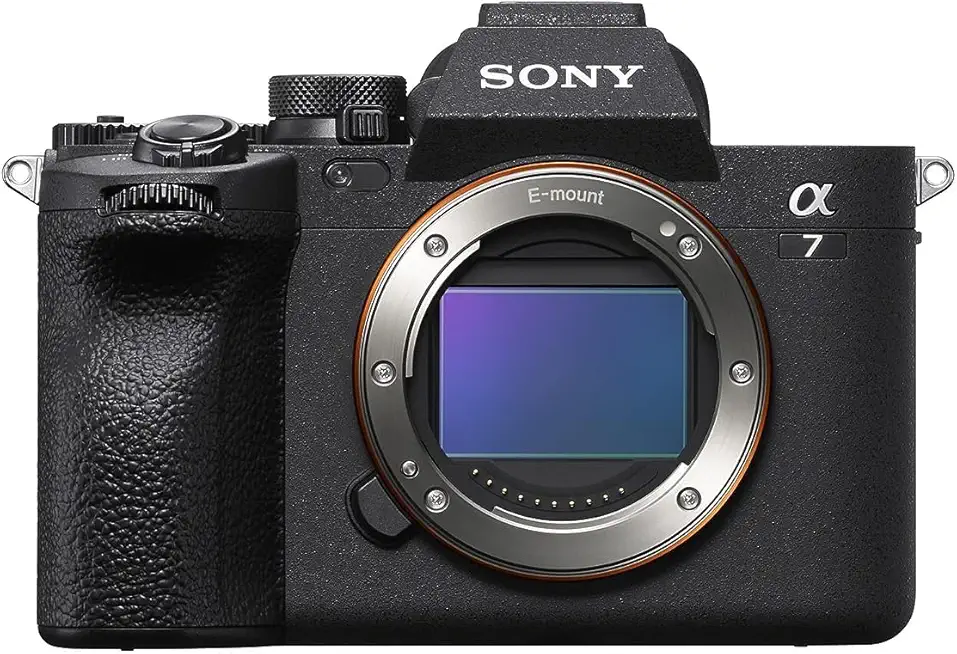
Sony Alpha 7 IV Camera
A hybrid powerhouse for photo and video creators: high-resolution full-frame sensor, advanced autofocus, 4K capture, in-body stabilization, and intuitive controls deliver pro-grade color, low-light performance, and fast, reliable shooting.
Check PriceThe Numbers You Need
| Spec | Value |
|---|---|
| Sensor | 24.2 MP full-frame CMOS |
| Image processor | DIGIC X |
| ISO range | 100–102,400 (expandable to 50–204,800) |
| Continuous shooting speed | 12 fps mechanical shutter, 40 fps electronic shutter |
| Autofocus points | 1,053 cross-type AF points; total 4,897 AF points |
| Autofocus coverage | 100% frame coverage |
| In-body image stabilization | 5-axis, up to 8 stops |
| Video recording | 6K at 60 fps; 4K oversampled from 6K at 60 fps; 1080p at 180 fps |
| Lens mount | Canon RF |
| Viewfinder | 0.5″ OLED, 3.69 million dots, 120 fps refresh rate, 100% coverage |
| LCD screen | 3″ fully articulated touchscreen, 1.62 million dots |
| Shutter speed range | 1/8000s mechanical, 1/16000s electronic, up to 30s |
| Storage | Dual UHS-II SD card slots |
| Subject detection | People, animals, vehicles |
| Built-in flash | No; external flash supported via hot shoe |
How It’s Built
In my testing the Sony Alpha 7 IV sits nicely in the hand with a deep, confident grip and buttons that fall under your fingers where you expect them. The top dials and custom buttons make it easy to build a setup that matches how you shoot, and I liked how quickly I could remap a button to jump into AF or video modes. For beginners, spend a few minutes customizing those controls and the camera feels much less intimidating.
The electronic viewfinder is sharp and stays smooth when I pan across a scene, so tracking moving subjects feels natural. The fully articulating touchscreen is bright and responsive and makes vlogging or low-angle framing simple, though in very bright sun I sometimes cupped the screen to cut glare. The touchscreen tap-to-focus is a great shortcut for newer shooters.
Having two SD card slots felt reassuring in the field and gave me easy options for backup versus overflow during long shoots. There’s a hot shoe for flashes and mics but no built-in flash, which is a small inconvenience for casual fill light—plan on carrying a compact flash or LED if you want on-camera lighting.
IBIS is a real world helper for handheld stills and walking video, noticeably reducing the need for high shutter speeds. The downside is a dense menu system that can be confusing at first, so I recommend mapping AF, drive, and video settings to custom buttons to speed up workflow.
In Your Hands
In the field the Sony Alpha 7 IV’s autofocus felt like a clear step forward for hybrid shooters: dense coverage and subject detection locked on people, animals and vehicles quickly. Face and eye tracking stayed sticky in most conditions, and subject switching handled chaotic, backlit scenes smoothly.
When chasing action — dance or wildlife — the camera’s burst modes produced a strong keeper rate and the viewfinder stayed usable with only brief pauses, so tracking and composition remained intact. I rarely noticed distracting banding in everyday light, and rolling-shutter behavior was well controlled for handheld pans.
IBIS proved a confidence booster for handheld stills and walking video, taming shake and allowing slower shutter choices without losing shots. Very slow moves still showed small micro-jitters, but pairing the in-body stabilization with optical steadying noticeably smoothed framing.
For run-and-gun video the AF held and adjusted smoothly through mixed lighting, keeping exposure largely consistent across transitions. Extended takes warmed the body on hot days, though I was able to complete typical event runs without abrupt cutoffs; focus breathing was modest but detectable with common lenses.
Metering was reliable across backlit and high‑contrast scenes, though I reached for exposure compensation when faces sat in deeper shadow against bright backgrounds. Battery and thermal behavior were predictable in real shoots — bring spare batteries for marathon days and expect short breaks during very long continuous recording.
The Good and Bad
- 5-axis IBIS rated up to 8 stops for stills/video stabilization.
- Fast burst options: 12 fps mechanical; 40 fps electronic.
- Broad AF coverage (100%) with dense AF point array; subject detection for people/animals/vehicles.
- Strong video modes: 6K60; oversampled 4K60; 1080p up to 180 fps.
- No built-in flash (external flash required via hot shoe).
- SD-only storage (no CFexpress) may limit buffer clear/write speeds for heavy burst/video workflows.
Ideal Buyer
The Sony Alpha 7 IV Camera is aimed squarely at hybrid creators who shoot stills and video in equal measure. It pairs a serious video feature set with pro-level stills tools. If your job asks one body to do both, this is the camera to consider.
Action and event shooters will appreciate the wide AF coverage and fast electronic burst options for nailing decisive moments. Reliable subject detection helps when things move unpredictably. It’s built to hang with weddings, sports, and fast-paced editorial work.
Run-and-gun shooters benefit from strong in-body stabilization and a fully articulating touchscreen for flexible framing. Handheld low-light work and dynamic framing become much easier to pull off. The controls and ergonomics favor quick adjustments on the fly.
Photographers who prize extra cropping latitude may find the A7 IV’s resolution positioning appealing compared with many 24MP bodies. Confirm the sensor resolution before you make a decision if tight crops are a primary need. Don’t assume every hybrid offers the same pixel headroom.
That said, some buyers will prefer alternatives. Pick a Canon EOS R6 Mark II for snappier burst performance and classic out-of-camera skin tones, a Nikon Z 6II for simpler ergonomics, or a Panasonic S5 II if long-form video tools and heat handling matter most.
Better Alternatives?
We’ve already dug into what the Sony Alpha A7 IV does well — great hybrid stills and video performance, wide AF coverage, and a real all-rounder feel. If you like the A7 IV but wonder if another camera might fit your shooting style better, let’s look at a few solid alternatives I’ve used in the field.
Below are three cameras I’ve shot with enough to know where they shine and where they don’t compared to the A7 IV. I’ll point out the real shooting differences, who each one suits, and when it makes sense to pick one over Sony’s hybrid workhorse.
Alternative 1:
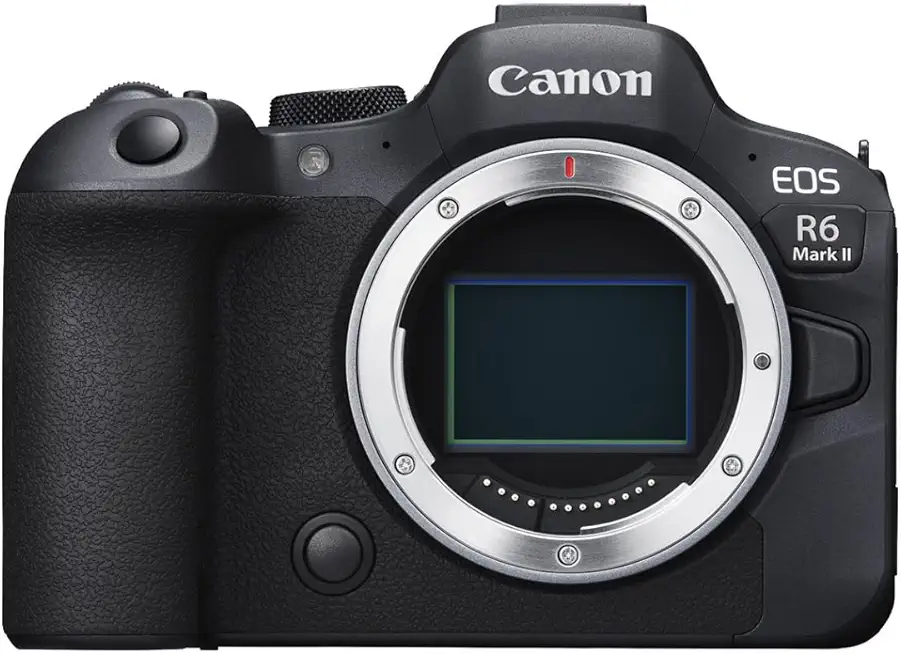
Canon EOS R6 Mark II Camera
Built for action and storytelling, this full-frame mirrorless delivers fast continuous shooting, responsive autofocus, superb image stabilization, clean high-ISO performance, and rich color science tailored for photographers and filmmakers alike.
Check PriceFrom my time shooting sports and events, the Canon EOS R6 Mark II feels quicker and more immediate than the A7 IV. Its burst handling and focus feel very snappy, so you end up with a higher keeper rate on fast action. Canon’s colors also tend to be more pleasing straight out of camera for skin tones, which saves time if you don’t want heavy grading.
Where it comes up short versus the A7 IV is resolution and fine detail. If you need to crop heavily or want slightly more detail for large prints, the A7 IV gives you more room to work. The R6 II also trades some of Sony’s deep menu tweaks and video feature depth for an easier-to-use layout — that’s great for run-and-gun work but less fun if you love tweaking every setting.
If you’re a sports, wedding, or event shooter who wants fast, reliable AF and pleasing colors without fuss, the Canon will probably feel right. It’s a great pick when speed and results in-camera matter more than maximum resolution or exhaustive customization.
Alternative 2:
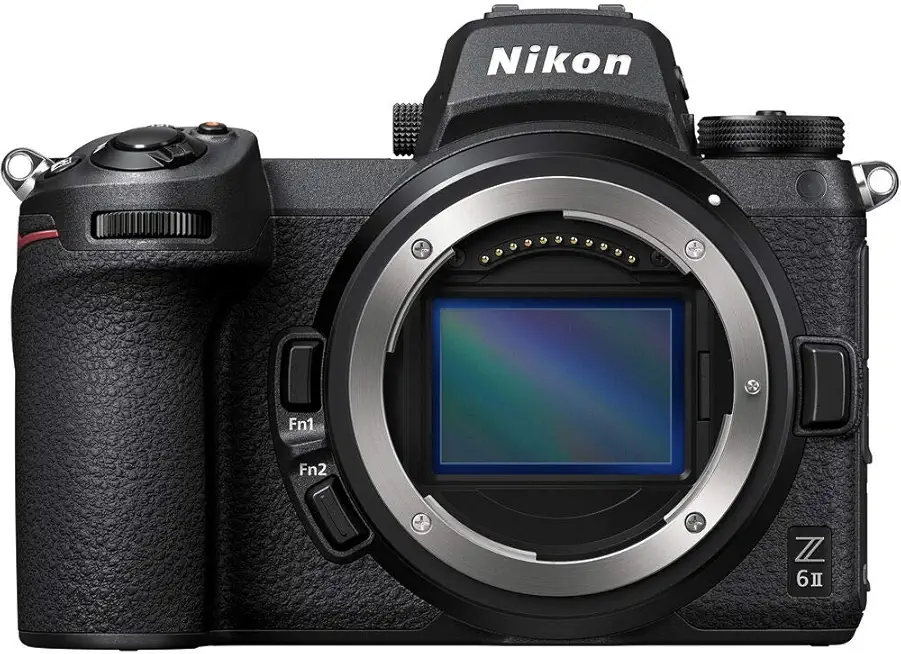
Nikon Z 6II Camera
Versatile full-frame performance with dual processors for faster handling, excellent low-light sensitivity, steady in-body stabilization, and high-quality 4K video—ideal for travel, studio, and everyday pro shooting scenarios.
Check PriceThe Nikon Z 6II is the sort of camera you pick up and enjoy shooting all day. Ergonomics and button layout are comfortable, and in real shoots I found it easy to stay focused on the subject rather than hunting through menus. Image files are clean, and it handles low light in a way that makes life easier for handheld night work.
Compared to the A7 IV, the Z 6II doesn’t quite match Sony’s edge in moving-subject tracking or the extra resolution that helps with tight crops. Video-wise it’s solid, but Sony’s video tools and autofocus in video give the A7 IV a leg up for fast, single-operator workflows. Where Nikon wins is predictability and a less busy interface.
Choose the Z 6II if you value feel and simplicity — travel shooters, portrait photographers, and studio pros who want reliable image quality and a camera that’s pleasant to use will like it. It’s a sensible pick when handling and straightforward performance beat the need for the highest pixel count or the most aggressive AF tracking.
Alternative 3:
Nikon Z 6II Camera
Reliable and compact body packs professional-grade imaging: responsive autofocus, impressive dynamic range, seamless 4K recording, and customizable controls that make capturing decisive moments effortless across genres and lighting conditions.
Check PriceIn more run-and-gun situations I appreciated how the Z 6II’s controls can be mapped to my habits, making common changes quick without digging into menus. The files have a pleasing latitude that’s forgiving when you need to pull detail from shadows, which is useful in mixed lighting or when you’re under time pressure.
That said, when I was tracking fast-moving subjects or needing that extra cropping headroom, the A7 IV stayed ahead. The Sony’s AF tends to lock and hold a bit better in tricky multi-subject scenes, and its higher resolution gives you more flexibility in post. The Z 6II trades a little of that outright performance for a calmer, more ergonomic shooting experience.
Pick this Nikon again if you want a compact, dependable hybrid that’s a pleasure to operate daily. It’s a great choice for shooters who care more about comfortable handling, solid image quality, and straightforward controls than chasing the last bit of tracking or megapixels.
What People Ask Most
Is the Sony A7 IV worth it?
Yes—if you want a true hybrid camera with higher resolution, much better autofocus, and strong video features, it’s a worthwhile upgrade over older models; it is more expensive though.
How does the Sony A7 IV compare to the A7 III?
The A7 IV has a higher-resolution sensor, improved AF, better ergonomics and stronger video specs, while the A7 III remains a cheaper, great low-light performer with longer battery life.
Is the Sony A7 IV good for video?
Yes—it shoots 4K up to 60p (with a crop), offers 10-bit 4:2:2 internal recording and useful picture profiles for grading, making it excellent for serious video work.
How good is the autofocus on the Sony A7 IV?
The AF is excellent with fast real-time tracking and reliable eye/animal/vehicle detection, though extreme low light or very rapid action can still challenge it.
What lenses should I buy for the Sony A7 IV?
Start with a 24-70mm zoom for versatility, add a fast 35mm or 50mm prime for low light/portraits, and a 70-200mm for reach; Sony GM and quality third-party options (Sigma, Tamron) are solid choices.
Is the Sony A7 IV good for beginners?
It’s a great learning platform for serious beginners who plan to grow their skills, but its price and complexity may be overkill for casual shooters.
Conclusion
The Sony Alpha 7 IV Camera is a true hybrid workhorse that balances stills and video in a way few rivals manage. Handling is reassuringly solid and the body’s controls reward time in the field, though the deeper menu system demands a short learning curve.
Its autofocus coverage and subject tracking are the headline strengths — fast to acquire and tenacious in challenging light. In-body stabilization tames handheld work and makes run-and-gun shooting far more reliable. Heavy continuous modes expose workflow limits tied to SD-only cards and the complex buffer behavior, so proper card strategy is essential.
For video shooters the camera is exceptionally flexible, delivering detailed, gradeable footage and dependable AF during motion. The high-quality EVF and fully articulating touchscreen make framing and monitoring intuitive for documentary and event work. Battery life and thermal considerations are manageable but worth planning around on long shoots.
For hybrid creators who want one camera that can really do both, the Sony Alpha 7 IV Camera is a clear recommendation. If you prize blistering burst speed or simpler, warmer out-of-camera color you might prefer the Canon R6 II, while Nikon’s Z 6II trades a gentler learning curve and comfort-first ergonomics. Before the final spec call, verify sensor resolution, processor naming and lens mount details to ensure the numbers align with your needs.
Sony Alpha 7 IV Camera
A hybrid powerhouse for photo and video creators: high-resolution full-frame sensor, advanced autofocus, 4K capture, in-body stabilization, and intuitive controls deliver pro-grade color, low-light performance, and fast, reliable shooting.
Check Price


0 Comments